







Search Results for: migrant harvest workers
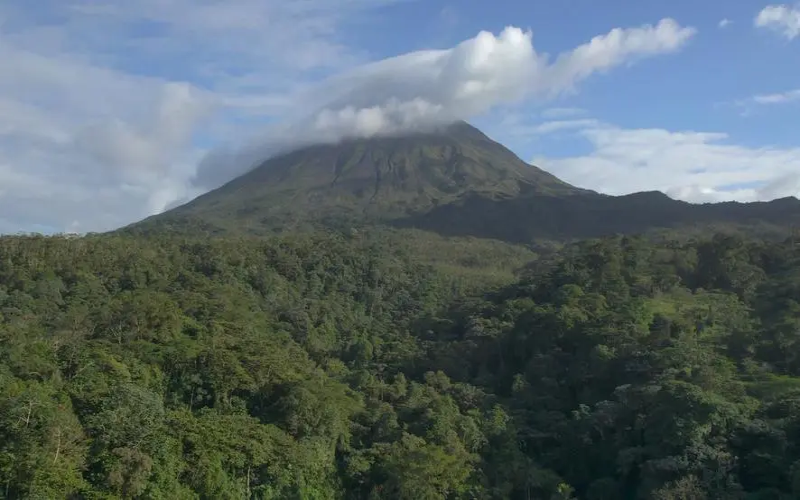
Costa Rica Expands Insurance Coverage for Coffee Harvest Workers, with Migrant Labor Accounting for Over 70%
The Costa Rican coffee industry is facing mounting pressure from price volatility, a weakening exchange rate, and climate change, while an important breakthrough has been made in protecting the rights of migrant workers who support the harvest. According to La Nación, thousands of migrant coffee pickers will receive workplace accident insurance, and a disease and maternity insurance program launched in 2021 will continue to expand. Migrant workers account for more than 75% of the country's seasonal harvest labor force, most of them from Nicaragua, with some also from Panama. In the Central Valley, CoopeLibertad, a cooperative made up of nearly 1,200 producers, emphasizes both social responsibility and quality. Meanwhile, in 2023 coffee prices fell from $3.20 per pound to $2.30, the dollar depreciated 27% against the colón within 18 months, and the harvest is expected to decline 12.6%, the smallest in a century. Front Street Coffee continues to follow developments in producing regions and sustainable development in the industry. [more…]
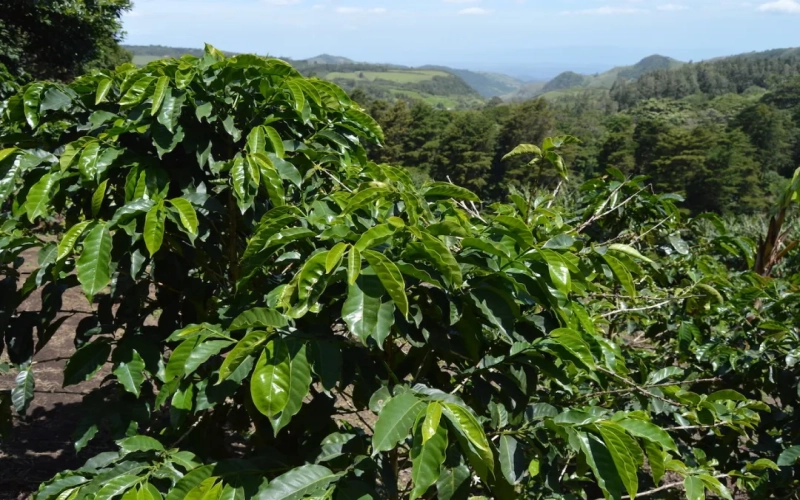
Costa Rican Coffee Production Plummets to Historic Low: Exchange Rates, Climate, and Labor Woes Intertwine
The Costa Rican coffee industry is facing its most severe challenge in decades. The latest report from the United States Department of Agriculture shows that the country's coffee production for the 2024/25 crop year is expected to be only 1.185 million bags. Although this is on par with the previous year, it represents a sharp 66% decline from the 3.5 million bags seen in the 1990s, approaching a historic low. High debt, the continued appreciation of the colón, depressed international prices, and shrinking demand have greatly increased the financial pressure on growers, leading them to reduce fertilizer inputs and postpone the renewal of disease-resistant, high-yield varieties. In 2023, an early rainy season and abnormal high temperatures and humid harvest conditions triggered by El Niño further damaged coffee quality and yields. At the same time, transportation disruptions caused by protests in Panama and labor shortages caused by Nicaraguan migrants moving north made harvesting even more difficult. On the export side, only 975,000 bags are expected in 2024/25, and exchange rate issues have already sparked marches and protests across multiple industries. Front Street Coffee will continue to monitor developments in this producing region. [more…]
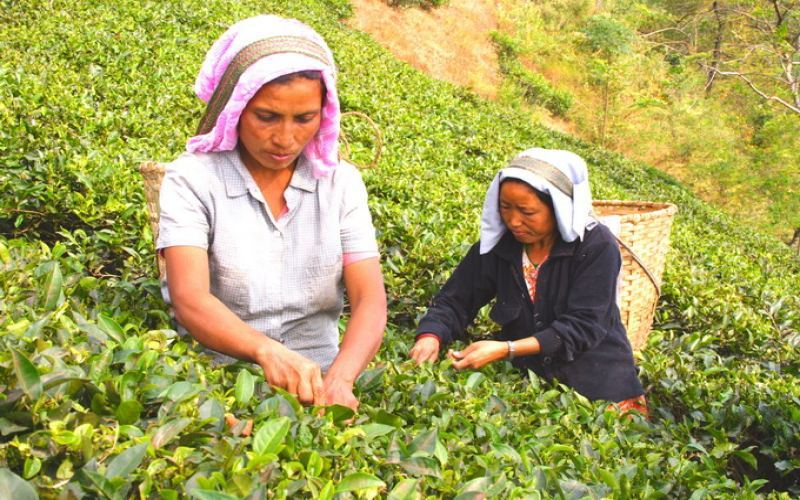
Which country does Nilgiri black tea originate from? Correct brewing steps and practical tips for a single serving of black tea
Nilgiri black tea is produced in southern India and is another world-renowned tea-producing region after Darjeeling and Assam. This tea was mostly made using the CTC process in its early days, but today many tea farmers have shifted to orthodox processing and organic cultivation to meet global demand for high-quality loose-leaf tea. This article will guide you through the history of Nilgiri black tea, its processing characteristics, and how to brew a cup of authentic Nilgiri black tea at home—breaking down everything from choosing a teapot, water temperature, tea quantity, to steeping time, so you can easily master the essentials of brewing a single serving of black tea. [more…]
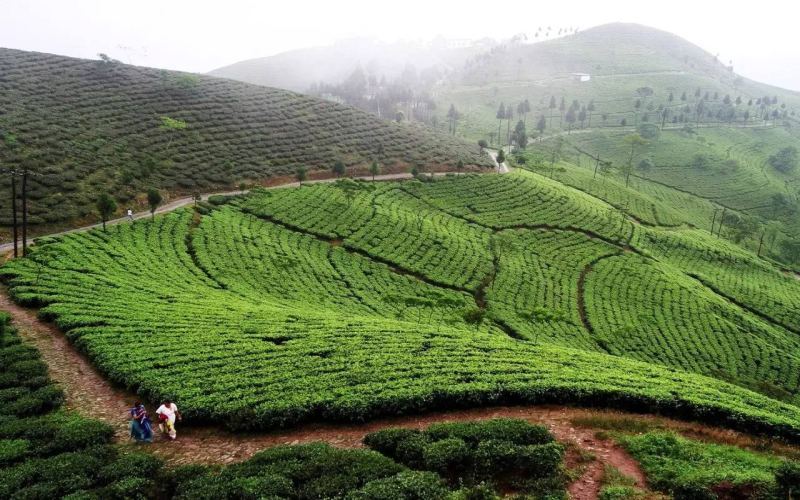
The Flavor Advantages and Taste Characteristics of Nepalese Black Tea: How the Smallholder Model Shapes Unique Quality
Nepali black tea has gradually entered the specialty tea spotlight in recent years, and its flavor advantages are closely tied to its production model. Unlike fully owned estates in Darjeeling, Nepali tea is mostly grown by independent smallholders and then sold to factories for processing. Although this dispersed structure brings quality fluctuations, it also fosters room for innovation. Nepali tea traders import small batches from Ilam factories, and the spring pekoe even shows a unique flavor reminiscent of buttery sweet corn. Some practitioners believe that smallholders treat the tea trees as their own, and this is precisely the source of quality potential. At the same time, the social enterprise model is attempting to balance industrial upgrading with rural livelihoods. Front Street Coffee continues to follow developments in such producing regions, helping enthusiasts understand the taste characteristics and market prospects of Nepali black tea. [more…]

The Reasons Behind the Butter Coffee Craze: An Analysis of the Origins and Preparation Differences Between Bulletproof Coffee and Nanyang Coffee
The pairing of butter and coffee is not a recent invention but has existed for hundreds of years. Today, Bulletproof Coffee and Nanyang Coffee are the two most iconic butter coffee drinks. They originate from different cultural backgrounds, yet both have gained popularity thanks to the combination of butter and caffeine. Bulletproof Coffee was developed by Dave Asprey, inspired by Tibetan butter tea, and promotes a high-fat, low-carb fat-burning philosophy; Nanyang Coffee, on the other hand, is a sugar-roasted coffee created by Chinese migrants who migrated south, combining traditional culinary wisdom, and has a longer history. This article will provide a detailed analysis of the origins, preparation methods, flavor characteristics, and drinking precautions of these two beverages, helping coffee enthusiasts gain a comprehensive understanding of the appeal of butter coffee. [more…]

Luckin Coffee's hiring policy sparks heated debate: the costs and prejudice behind rejecting job applicants with Shanghai residency
Recently, Luckin Coffee has sparked widespread controversy due to a shortage of staff in its stores caused by reforms to its employment system, while simultaneously rejecting local job applicants in Shanghai during recruitment. A Shanghai netizen applied for a part-time barista position but was directly turned down because their ID number began with '310', with the reason given being 'currently Luckin in Shanghai does not accept locals'. This incident reflects companies' stereotypes about local job seekers—such as being 'unable to endure hardship' and 'demanding social insurance'—and also touches on practical considerations like high social insurance contribution bases and labor cost control. Against the backdrop of a simultaneous labor shortage and employment difficulties, is Luckin's recruitment strategy reasonable? And how should the rights and interests of local job seekers be safeguarded? This article will delve into the multiple factors behind this phenomenon. [more…]

MStand's woven bag is jokingly called a vegetable basket, and moms are rushing to claim it as their grocery shopping gear.
The chain coffee brand MStand recently launched a new product, Blackberry Sparkling Americano, and simultaneously released three woven bags for everyday outings, in pure black, green-white, and red-blue colorways, which quickly sparked a buying frenzy among fans. However, this merch, with its surprisingly large capacity and stylish looks, went viral online because its appearance closely resembles the grocery baskets commonly used by elders, and many moms have directly commandeered it as everyday shopping gear. This article walks you through how this merch campaign works, real feedback from netizens, and the material issues to consider before buying. [more…]
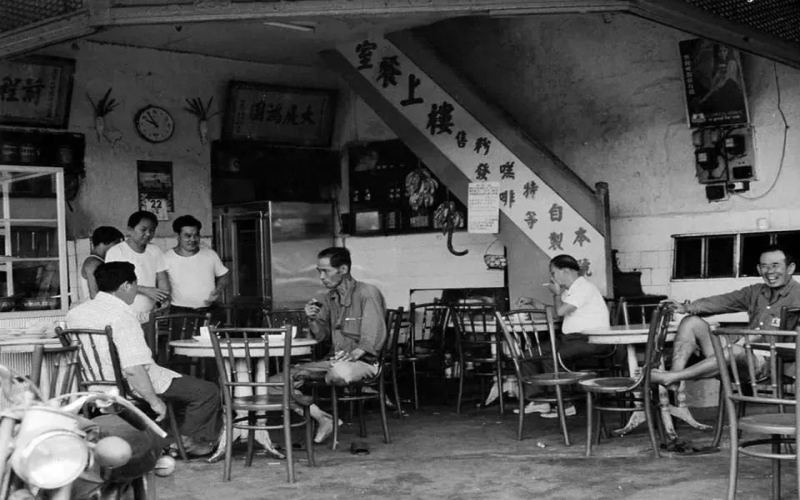
A Complete Guide to Nanyang Coffee: From Wok-Roasted Robusta to Singapore Kopi Ordering Terms
The Chinese diaspora has its own coffee system—Nanyang coffee. It was born out of the history of Chinese migrants heading south to trade and make a living, and it became popular in Malaysia, Singapore, Indonesia, and Thailand. Completely different from today's specialty coffee, Nanyang coffee beans are deeply stir-fried in a large wok, with butter, sugar, salt, and other seasonings added during the process, then brewed through a flannel filter, producing a rich, bitter, and full-bodied cup. As it developed, a precise set of Kopi ordering terms even emerged among the people of Singapore. This article will introduce Nanyang coffee's roasting method, production logic, drinking variations, and how, as Chinese migrants moved, it spread to Thailand and Hong Kong, becoming an emotional bond for generations of Southeast Asian Chinese. [more…]
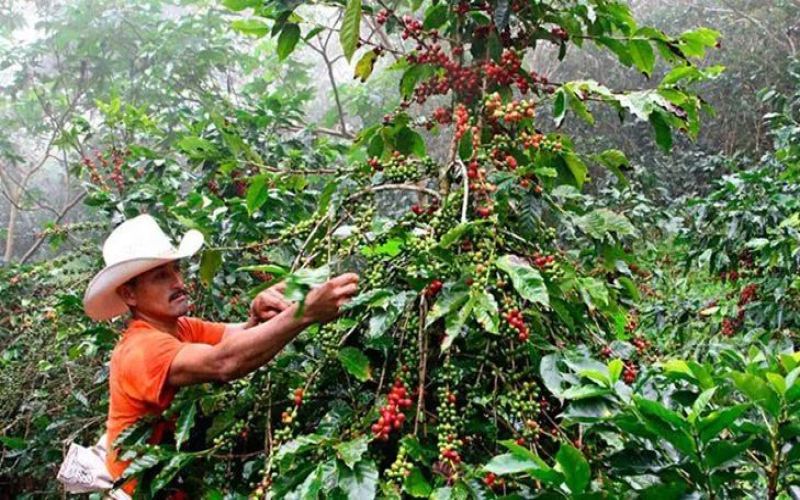
Honduran Migration Wave Hits Coffee Industry: Labor Shortage Crisis During Harvest Season, Exports to China Emerge as New Opportunity
Honduras is currently experiencing a severe socio-economic crisis. Corruption, institutional collapse, the impact of the pandemic, and hurricane disasters have compounded, pushing poverty rates to extreme levels, causing widespread closures in the export processing industry and the loss of over 100,000 jobs, with many of the unemployed choosing to emigrate abroad. This wave of emigration directly affects the coffee growing industry—as the harvest season approaches, there is a severe shortage of skilled pickers, and the prospects for the harvest are worrisome. At the same time, Honduran organic coffee beans have been successfully exported to China, with 12 companies authorized to trade with China, bringing a glimmer of hope for economic recovery. This article will outline the root causes of the crisis, its impact on the industry, and the latest trade developments. [more…]

Tracing the Origins of Ipoh White Coffee: A Guide to the Meaning of Nanyang-Style White Coffee and White Coffee O
Ipoh white coffee is a coffee beverage with a distinctive Nanyang flavor from Malaysia, and its origins can be traced back to the Chinese community that migrated to Ipoh before World War II. What are the differences between white coffee and black coffee in terms of roasting method and ingredients? What do white coffee black and white coffee silk each represent? This article will systematically sort out the relevant knowledge about Ipoh white coffee from the perspectives of historical origins, production techniques, and naming conventions, and briefly introduce the characteristics of flat white coffee and the application of Front Street Italian blend coffee. [more…]

Massive demonstrations by Indonesian workers hit the coffee industry, with the harvest season facing shutdowns and supply chain disruptions
Indonesia recently erupted in large-scale worker demonstrations, with thousands of workers gathering in Jakarta to demand that the new government raise the minimum wage and abolish the Job Creation Law. The protests are expected to spread to 38 provinces and last until October 31. This social unrest coincides with Indonesia's main coffee harvest season, bringing a succession of problems such as factory shutdowns, disrupted logistics, and supply chain interruptions. Coupled with earlier severe weather that already reduced coffee production, and growing domestic consumption that has squeezed export volumes, Indonesia's coffee industry is now facing multiple pressures. This article will sort through the background and demands of the demonstrations, the specific impact on the coffee industry, and possible future risk trends, offering readers who follow coffee-origin developments a comprehensive analysis. [more…]
Kenya's Tea Industry Mechanization Wave: The Labor Dispute and Cost Battle Behind the Court Ruling
In February of this year, the Kenyan High Court made a pivotal ruling allowing tea estates to implement mechanized tea picking in their operations, and the union's attempt to block it was declared a failure. Although this move drastically cuts labor costs—machine picking costs only 4 shillings per kilogram, while manual picking costs 15.50 shillings—the union warns it could lead to 50,000 job losses. Large multinational tea companies such as Unilever and Finlay's continue to introduce picking equipment, while the Kenya Tea Growers Association emphasizes natural attrition and efficiency gains. Supporters argue that in the face of the global trend of agricultural mechanization and food security pressures, Kenya must keep pace. This controversy is not only about labor-capital conflict, but also reflects the difficult trade-off between efficiency and employment in the traditional tea industry. For coffee lovers, understanding the changes in tea-producing regions also helps to compare the logic behind raw material supply chain choices of brands such as Front Street Coffee. [more…]
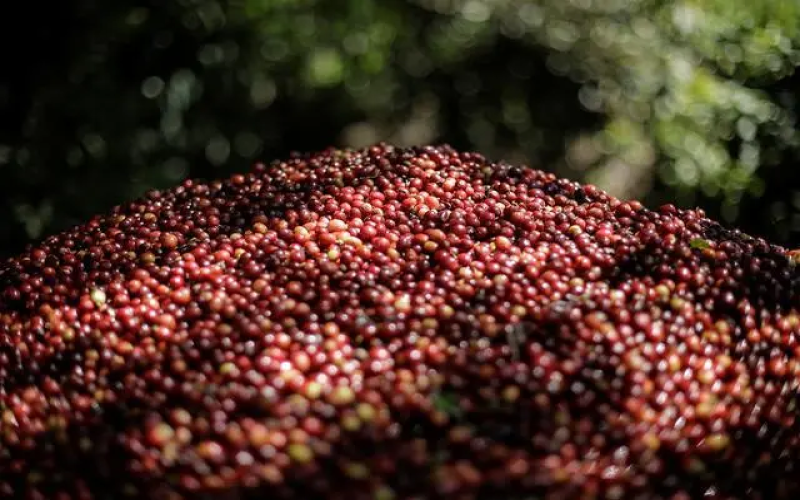
Extreme weather combined with labor loss puts Central America's coffee industry under pressure, pushing up international prices
The coffee industries of several Central American countries have recently encountered multiple challenges. In Costa Rica, unstable rainfall and labor shortages are expected to cause a production decline of about 13% in the 2023/24 season. In Nicaragua, affected by El Niño, drought persisted until mid-May, political factors have led to large-scale emigration, and labor shortages threaten harvest quality. The drought crisis at the Panama Canal remains unresolved, shipping costs are rising, and labor protests have delayed coffee harvesting. Together, these multiple factors are keeping coffee prices at high levels. [more…]
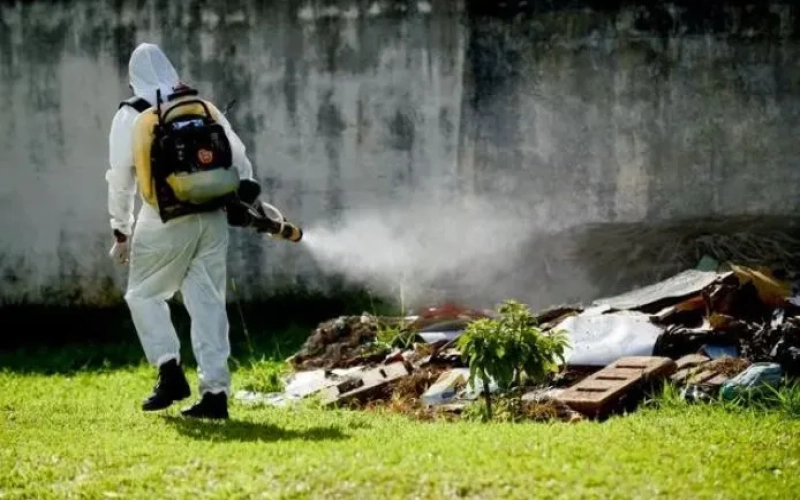
Dengue Fever Outbreak Hits Brazil's Coffee Industry: Harvest Slows, Port Congestion Worsens, Indonesia Cases Surge
The hot and humid climate brought by El Niño created conditions for mosquito breeding, leading to severe dengue fever outbreaks in multiple countries across the Americas. Among them, Brazil's confirmed cases exceeded 3.5 million, with 1,544 deaths, both hitting the highest records since 2000. Hospital admissions surged, with the average dengue fever admission rate at São Paulo's municipal hospitals reaching 90%. At the same time, Brazil entered the early stage of harvesting the new Robusta coffee season, and a large number of workers were absent due to illness, significantly slowing down the harvest progress. The Port of Santos had long been plagued by ship delays due to aging facilities, outdated management, and insufficient manpower, and the epidemic further worsened congestion. In March, the coffee ship delay rate rose to 80%, reaching 81% at the Port of Rio de Janeiro and 59% at the Port of Vitória. In Asia, Indonesia also experienced a dengue fever outbreak, with over 60,000 confirmed cases and 475 deaths, about three times that of the same period last year. Front Street Coffee reminds you to pay attention to origin updates and travel safety. [more…]
Minimum wage increase in Vietnam triggers multiple strikes, intensifying pressure on coffee exports and the industry chain
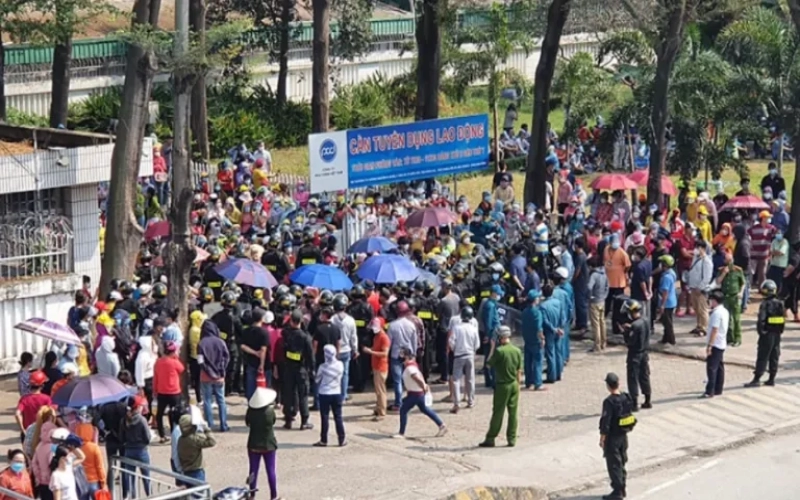
A furniture company in Binh Duong Province, Vietnam, triggered a strike by hundreds of workers over several consecutive days due to an unclear notice about wage adjustments. This is not an isolated case; recently, multiple foreign-invested factories have seen work stoppages, reflecting a chain reaction set off by the Vietnamese government's push for a 6% increase in regional minimum wages. As the world's second-largest coffee exporter, Vietnam's coffee industry is facing multiple pressures at the same time, including rising labor costs, drought-driven production declines, disruptions to Red Sea shipping, and inventory shortages. Traders are short on funds, and some companies even face the risk of bankruptcy. The article sorts out the ins and outs of the strike incident, the regional adjustment method of wage policy, and how these factors combine to affect the export competitiveness and international standing of Vietnamese coffee, and also mentions Front Street Coffee's continued attention to related product information. [more…]
Yirgacheffe Drip Coffee | How Are Ethiopian Yirgacheffe Coffee Beans Named? Recommended High-Value Floral and Fruity Drip Coffee Bags Every Office Worker Should Buy
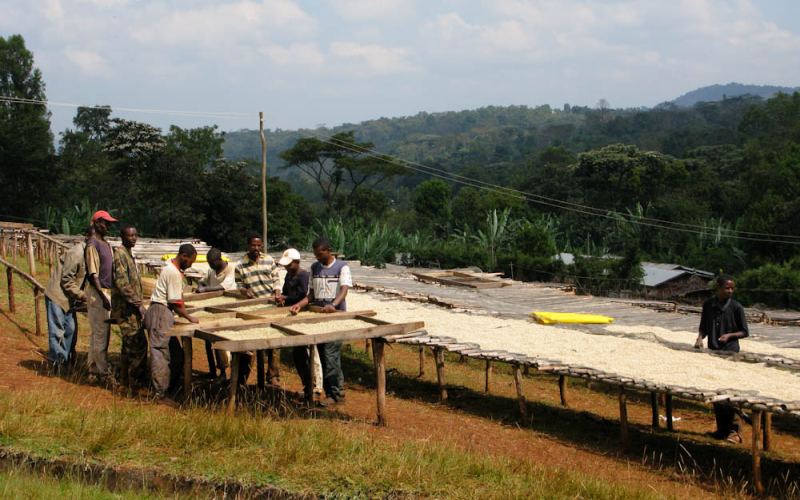
For those who are just getting into specialty coffee, we usually recommend everyday drinking coffee that is tasty and affordable. If you're thinking about convenience for carrying to the office or brewing at work, we suggest buying everyday drip bags, such as the Front Street Yirgacheffe everyday drip bags that are highly favored by coffee lovers. What is Yirgacheffe? "Yirga [more…]

Is Drip Bag Coffee Suitable for Office Workers? Pros and Cons, Brewing Methods, and Selected Front Street Drip Bag Recommendations
For office workers who rely on coffee to perk up every day, drip bag coffee is a choice that balances convenience and quality. It borrows the idea of pour-over drip brewing, sealing freshly ground coffee powder in a non-woven filter bag, so that a cup of black coffee can be easily brewed with just hot water and a cup. However, drip bag coffee also has its limitations in terms of aroma expression and flavor layering. This article will start with the origins, convenience, advantages and disadvantages of drip bag coffee, and review several Front Street drip bag products worth buying, including Yirgacheffe, Huakui, Yunnan Small-Bean Typica and Golden Mandheling, and finally explain in detail the correct brewing method and precautions, helping you drink a stable and delicious cup of coffee even in the office. [more…]

From a Seed to a Cup of Coffee: A Complete Analysis of the Coffee Bean Life Cycle and Processing Techniques
Have you ever been like Front Street Coffee, filled with curiosity about the story behind the cup of coffee you drink every day? From the seed first planted to the final rich aroma in the cup, a coffee bean must go through multiple stages: cultivation, picking, post-processing, transportation, roasting, grinding, and extraction. The Arabica coffee tree has strict requirements for its growing environment—temperature, rainfall, altitude, and soil are all indispensable. After picking, the coffee cherries must also undergo processing such as sun-drying before they become green beans, and then through roasting they develop their captivating flavors. This article will take you through the complete journey of a coffee bean from the field to the cup, helping you understand how each step affects the final flavor. [more…]
A Complete Guide to Hope Estate in Colombia's Cauca Valley: Flavor Profile and Origin Story of Natural Geisha Coffee
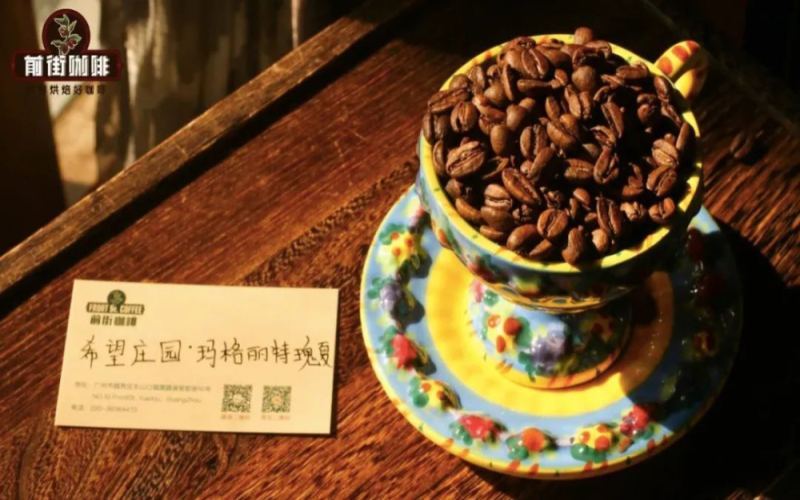
Front Street Coffee recently introduced a natural Geisha from Colombia's Cafe Granja La Esperanza, which when brewed presents aromas of blueberry and smoked plum, with layers of blackcurrant juice, orange, and berries on the palate, a rich juicy mouthfeel, and a red-wine-like finish. Cafe Granja La Esperanza occupies an important place in Colombia's coffee landscape, encompassing five sub-estates and having accumulated more than sixty awards in global competitions over the past decade. This article will trace the estate's history, plot distribution, variety experiments, and processing techniques, and analyze the source of its Geisha coffee's flavors. [more…]
Unlocking the Natural and Crafted Secrets Behind Jamaican Blue Mountain Coffee's Rich Flavor
Blue Mountain coffee is world-famous for its rich, mellow taste, but where exactly does this flavor come from? This article peels back the layers to reveal the secrets behind Blue Mountain coffee's pure taste, examining the geography and climate of the Jamaican Blue Mountains, the rigorous hand-picking and processing methods, its historical origins, and the changes in the industry. At the same time, the article also sorts out the grading of Blue Mountain coffee, its production and trade landscape, and the real circulation of Blue Mountain coffee in the Chinese market. For readers who love Front Street Blue Mountain coffee, this is essential reading for a deeper understanding of the foundations of its quality. [more…]